Ultimate Guide to the 7 Best Cameras Available Right Now
The camera market is broad and specialized: mirrorless systems for travel and landscape photographers, compact time-lapse rigs for builders and content creators, cinema cameras for filmmakers, action cameras for adventure shooters, and fast prime lenses for portrait and sports work. This guide examines seven standout products that address distinct needs today. Each entry highlights real-world use cases, what buyers typically care about, and practical pros and cons to help readers choose the right tool for their creative goals.
How this list was chosen
Rather than ranking by raw specs or price alone, the selections emphasize how a camera or lens performs in typical workflows: travel and outdoor use, timelapse and long-term capture, content creation for social platforms, professional video production, quick casual capture, high-end portraiture and low-light performance, and rugged action shooting. This reflects the diverse priorities buyers bring to a purchase.
Featured products overview
| Product | Best for | Form factor | Standout feature | Who should consider it |
|---|---|---|---|---|
| Om System OM-5 II | Travel, landscape, hybrid photo/video | Compact mirrorless | Weather-sealed, stabilization-focused body | Photographers who value portability and stabilization |
| Brinno BCC5000 Time Lapse Bundle | Construction, long-term timelapse, research | Dedicated timelapse module + accessories | Long-duration capture and simplified setup | Project managers and content teams needing hands-off timelapse |
| Caira Camera | Content creators and social shooters | Compact hybrid camera | Designed for quick sharing and creator workflows | Creators prioritizing speed and ease of use |
| Canon EOS C50 | Filmmakers and video-first productions | Compact cinema camera | Cinema-oriented ergonomics and codecs | Indie filmmakers and professionals upgrading from DSLRs |
| Kodak Snapic A1 | Casual shooters, photo booths, simple content capture | Compact instant / digital hybrid | Easy-to-use interface and immediate prints | Casual users and event hosts wanting tangible photos |
| Sigma 135mm f/1.4 DG Art | Portrait, sports, low-light telephoto | Prime lens (telephoto) | Wide aperture for subject separation and low-light | Portrait and event photographers seeking a signature look |
| GoPro Lite Hero | Action, POV, outdoor adventure | Action camera | Durable, lightweight capture for movement | Adventure shooters and vloggers who need rugged portability |
In-depth reviews and analysis
Om System OM-5 II
The OM-5 II occupies the sweet spot for travelers and landscape photographers who prioritize mobility without sacrificing image quality. As a compact mirrorless system, it typically focuses on effective in-body stabilization and weather resistance—both critical when shooting in unpredictable environments. Buyers often cite weight, lens ecosystem, and battery life as decisive factors; the OM-5 II addresses these by pairing a small body with a range of compact lenses and robust stabilization that reduces the need for a tripod in many situations.
Real-world use cases include hiking trips where frequent lens changes are impractical, sunrise/sunset landscape shoots where stabilization and weather sealing are valuable, and street photography where discreet size is an advantage.
- Pros
- Portable and well-suited to travel
- Strong stabilization—useful for low-light handheld shots
- Durable weather sealing for outdoor use
- Cons
- Lens choices may feel limited compared with larger ecosystems
- Smaller grip and controls may be less comfortable for extended handheld shooting
- Battery life can be a limiting factor on extended trips
Brinno BCC5000 Time Lapse Bundle
Brinno’s time-lapse rigs are purpose-built for long-duration capture—construction sites, infrastructure projects, research observations, and content that needs continuous, hands-off recording. The bundle approach typically includes mounting hardware, weather protection, and power solutions that let teams deploy and forget for weeks at a time. Buyers care about interval accuracy, power consumption, weatherproofing, and ease of data retrieval; this bundle is designed with those priorities in mind.
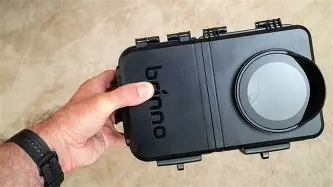
Common real-world deployments: capturing construction progress for stakeholder updates, monitoring seasonal landscape changes, or creating promotional timelapse content for renovation projects.
- Pros
- Designed specifically for multi-day or multi-week capture
- Bundled accessories simplify setup and protect the device
- Low maintenance once installed
- Cons
- Limited to timelapse-style workflows, not versatile for other photography
- Requires planning for power and data retrieval
- May require mounting permits on some sites
Caira Camera
Caira Camera markets itself to creators who need a quick, intuitive workflow for social content. Cameras aimed at creators often prioritize straightforward controls, fast connectivity for sharing, and built-in modes that smooth the learning curve for new users. Buyers tend to look for compact size, reliable autofocus, and simple editing or transfer options; a camera like Caira typically fits a creator’s on-the-go production pattern.

Use cases include daily vlogging, short-form content creation for social platforms, and quick lifestyle shoots where fast turnaround matters more than ultimate image fidelity.
- Pros
- Streamlined controls and creator-focused features
- Compact and easy to carry for daily use
- Connectivity options that speed sharing and backup
- Cons
- May lack advanced manual controls for professional shooters
- Sensor and lens quality might be more consumer-oriented
- Limited expandability compared with system cameras
Canon EOS C50
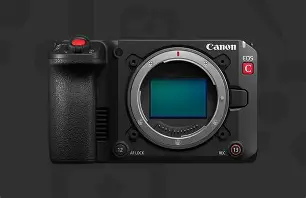
For filmmakers and video-first creators, cinema-oriented bodies provide ergonomics, codec options, and connectivity suited to production workflows. The Canon EOS C50 is positioned for users seeking a compact cinema camera that integrates with professional rigs and offers nuanced control over exposure and audio. Buyers care about sensor behavior in real-world shooting—dynamic range, skin tone reproduction, autofocus reliability, and codec flexibility for post-production. Cinema bodies typically excel where those priorities matter most.
Typical applications are indie filmmaking, documentary work, event coverage that requires high-quality footage, and professionals who want a dedicated camera with cinema workflow integrations.
- Pros
- Cinema-tailored features support professional workflows
- Robust ergonomics for rigging, audio, and monitoring
- Higher-quality codecs and color profiles for grading
- Cons
- Size and weight can be larger than hybrid mirrorless options
- Price and ecosystem investments (lenses, monitors, audio) matter
- May be overkill for casual content creators
Kodak Snapic A1
The Kodak Snapic A1 is built to appeal to casual shooters and hosts who want tangible, immediate prints while retaining digital copies. Devices in this niche prioritize ease of use, simple interfaces, and reliable printing. Buyers often prioritize speed, print quality for small-format photos, and low effort in operation over advanced manual controls.
Looking for the best Cameras & Photography deals on Amazon?
See Deals →Real-world uses include parties and events, pop-up photo booths, and families wanting instant physical keepsakes without complex workflows.
- Pros
- Instant-print convenience for events
- Simple controls make it accessible to non-technical users
- Digital backups often included for easy sharing
- Cons
- Print size and longevity differ from professional lab prints
- Limited manual controls for photographers who want more control
- Ongoing consumable costs for printing
Sigma 135mm f/1.4 DG Art
Although a lens rather than a camera body, the Sigma 135mm f/1.4 Art lens is a staple for photographers who need dramatic subject separation, shallow depth of field, and strong low-light performance. Portrait photographers prize the rendering and compression of a long, fast prime; wedding and event photographers value its ability to isolate subjects at distance with pleasing bokeh. Buyers typically look at sharpness, out-of-focus character, autofocus speed, and build quality when choosing a lens in this class.
Real-world applications include studio portraits, environmental portraiture where distance from the subject is desired, and low-light event shooting where a fast aperture allows higher shutter speeds.
- Pros
- Exceptional background separation and low-light capability
- Solid build and optical performance for demanding shoots
- Creates a distinctive subject look prized by portraitists
- Cons
- Large and heavy compared with standard primes
- Fast aperture demands careful focusing, especially wide open
- Higher cost than standard focal length lenses
GoPro Lite Hero
Action cameras are designed for movement, durability, and simplicity. The GoPro Lite Hero is a lightweight option for adventure shooters who need mountability, waterproofing, and minimal setup. Buyers prioritize stabilization, ruggedness, battery life under active use, and the ecosystem of mounts and accessories. An action camera’s ability to capture POV footage, helmet cams, and water-based activity footage makes it indispensable for many outdoor and sports creators.
Typical real-world usage includes mountain biking, surfing, ski runs, mountaineering, and hands-free vlogging where a small footprint is crucial.
- Pros
- Extremely portable and mountable
- Built for rugged use with waterproofing and shock resistance
- Good stabilization suitable for action footage
- Cons
- Smaller sensor limits low-light performance compared with larger systems
- Fixed wide-angle perspective may not suit all creative needs
- Battery life can drain quickly under continuous use
Comparison and which to pick
Choosing among these products depends first on the use case, then on secondary priorities like portability, image quality, and long-term flexibility.
| Product | Primary Strength | Portability | Workflow fit | Typical buyer concern |
|---|---|---|---|---|
| OM-5 II | Stabilization + weather sealing | High | Travel, landscape | Lens ecosystem and battery life |
| Brinno BCC5000 | Long-duration, hands-off timelapse | Moderate (deployment kit) | Construction/monitoring | Power management and mounting logistics |
| Caira | Creator-first quick workflows | Very high | Daily content and social | Image quality vs convenience |
| Canon EOS C50 | Cinema features and codecs | Moderate | Professional video production | System cost for pro accessories |
| Kodak Snapic A1 | Instant-print convenience | High | Events and casual use | Print cost/quality |
| Sigma 135mm f/1.4 Art | Portrait rendering and low-light | Low (heavy lens) | Studio and event portraits | Weight and handling wide open |
| GoPro Lite Hero | Ruggedness and action capture | Very high | Adventure and POV | Battery life and fixed focal length |
Buying guide: how to choose the right camera
When selecting a camera or lens, consider practical criteria tied to how the gear will be used every day:
1. Identify the primary purpose
Is the main goal travel photography, filmmaking, timelapse documentation, daily social content, or action sports? Specialized products often outperform generalist choices in their niche.
2. Consider system and ecosystem
For mirrorless and cinema bodies, lens availability, accessory support, and third-party options matter. A compact camera with limited lenses may be fine for casual use but constraining for evolving workflows.
3. Stabilization and shooting conditions
For handheld or low-light work, in-body stabilization and fast lenses reduce the need for tripods and allow more spontaneous shooting. For timelapse or long unattended capture, power efficiency and environmental protection are essential.
Shop the latest Cameras & Photography picks on Amazon.
Shop Amazon →4. Form factor and ergonomics
Comfort during extended shoots is often underestimated. Grip shape, button placement, and weight distribution affect how quickly a photographer can work and how fatigue accumulates during long sessions.
5. Video needs
Filmmakers should prioritize codec options, audio inputs, monitoring outputs, and color profiles for grading. Hybrid shooters who split time between video and stills may accept compromises for a lighter kit.
6. Battery life and power logistics
Consider how long the camera runs on a single battery and whether there are easy ways to recharge in the field. For site-based timelapse or long shoots, plan for external power or frequent battery swaps.
7. Durability and weather resistance
Outdoor use demands weather sealing and robust construction. For action and underwater use, look for proven waterproofing and accessory mounts rather than relying on DIY protection.
8. Budget and total cost of ownership
Initial camera cost is only part of the equation. Factor in lenses, batteries, memory, cases, mounts, and any specialized accessories. For event or timelapse work, consumables such as printing supplies (for instant cameras) or power sources matter.
Final thoughts
There is no single “best” camera for everyone. Instead, the right choice depends on how the camera will be used day to day. The Om System OM-5 II is ideal for travelers who need a small, resilient system; Brinno’s time-lapse bundle serves long-term, hands-off documentation; the Caira Camera favors fast creator workflows; the Canon EOS C50 suits video professionals; the Kodak Snapic A1 delivers instant-print convenience for events; the Sigma 135mm f/1.4 Art gives portrait photographers a distinctive look; and the GoPro Lite Hero remains a go-to for rugged action capture.
Buyers should match their priorities—portability, image quality, video capabilities, or durability—to the product’s strengths and accept the trade-offs inherent to each class of gear. By starting from how the camera will be used in the real world, photographers and creators will make choices that improve their workflows, deliver better results, and ultimately let the gear serve the creativity rather than constrain it.
Conclusion
Choosing a camera is ultimately about selecting the right tool for the job. Each product covered here excels in different scenarios: travel, timelapse, creator-first content, cinema production, instant printing, portraiture, or action capture. Understanding practical concerns—stabilization, lens ecosystem, workflow integration, and durability—makes it possible to make a confident purchase that aligns with creative goals. With a clear sense of use cases and priorities, buyers can pick gear that helps them make better images and tell more compelling stories.