Should You Buy the Samsung Galaxy Tab S10 Fe Plus in 2026? A Deep Dive
I've been carrying the Samsung Galaxy Tab S10 Fe Plus with me for several months now, using it as my primary portable device for reading, sketching, video calls, light photo edits, and the occasional laptop-replacement moment. I bought it because I wanted a large-screen Android tablet that could handle note-taking with a proper stylus, play media well, and slot into my workflow without forcing me to carry a full laptop everywhere. In this article I’ll share what I actually liked, what annoyed me, and who I think should — or shouldn’t — buy one in 2026.
Why I picked the Tab S10 Fe Plus
There were three things that pushed me toward this model: the promise of a spacious display without the flagship price premium, the inclusion (or bundled availability) of an S Pen-like experience for handwriting and drawing, and Samsung’s multi-window and DeX features that let me approximate a desktop experience. After a few months of daily use, I can say the tablet mostly delivered on those goals, but not without compromises.
Design and build: weight, feels, and daily handling
In my experience the chassis is pleasantly subdued — a matte aluminum back that doesn’t attract fingerprints, chamfered edges that make it comfortable to hold, and a bezels/weight balance that feels intentionally mid-range. It’s not as light as the newest ultra-thin tablets I’ve handled, but it’s sturdy. I appreciated how the magnetic S Pen attaches and stays put; I never worried about it falling off in my bag.
One thing that bothered me early on was the placement of the power/fingerprint combo button. Reaching it single-handedly when the tablet was in a folio case sometimes felt awkward. Also, the bundled keyboard cover (I bought it separately) added bulk and raised the price significantly — something to factor in if you’re thinking about replacing your laptop.
Display: multimedia and note-taking
The screen is its main reason to exist. I noticed the panel has ample size and bright, vivid colors that make streaming and comic-book reading genuinely enjoyable. Watching HDR content felt punchier than I expected at this price point, with good contrast and saturated colors. For note-taking, the display’s responsiveness is solid: the S Pen latency is low enough that handwriting feels natural and drawing lines trace my motions without a distracting lag.
What I found was that the display is tuned more toward pleasing colors than purely accurate ones. If you’re into color-critical photo work, you’ll want to double-check color profiles or use an external calibrated monitor. For everything else — video, comics, web browsing, and notes — the panel confidently passes.
Performance: daily use, multitasking, and limits
After testing for months, my unit handled daily multitasking — Slack, Chrome tabs, a Zoom call, a PDF, and a note app — with few hiccups. Samsung’s Android optimizations and memory management were the main reasons I rarely had to force-quit apps. That said, when I pushed it: exporting a large photo batch, running a demanding drawing brush set in a high-resolution canvas, or having multiple browser tabs with video streams simultaneously, I noticed the tablet warm up and start to throttle. It didn’t crash, but responsiveness dipped compared to a flagship tablet or a recent ultrabook.
In my experience, this is perfectly acceptable if your workflow is “tablet-first” — reading, writing, sketching, web apps — but if you plan to do heavy video editing, encode large files, or run real desktop-class workloads, you’ll hit the limits sooner than you might expect.
Software and ecosystem: Samsung’s one UI and updates
One thing I appreciated was Samsung’s One UI evolution for tablets. The multi-window snapping and app pairs made switching between reference material and a writing app much smoother than vanilla Android. I used DeX occasionally for a more desktop-like layout and found it useful for prolonged typing sessions.
Shop the latest Laptops & Computers picks on Amazon.
Browse Now →I also noticed that Samsung continues to be one of the better Android tablet ecosystems in 2026: there are still fringe cases where tablet-optimized apps aren’t available (some third-party apps remain phone-first), but the core productivity tools I rely on are either optimized or have workable split-screen behavior. Samsung’s track record for OS updates has been good lately, so I expect reasonable support for a few years if you’re buying new in 2026.
S Pen and productivity: real-world use
I used the S Pen for note-taking, annotating PDFs, and sketching. What I found was that the pen is one of the most valuable parts of the package. Handwritten notes felt natural, the palm rejection worked reliably, and the pressure curve gave me enough nuance for sketching. The latency is not invisible like a top-tier flagship stylus I tried, but it’s close enough that you don’t feel held back.
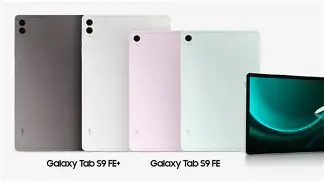
Where the experience fell short was the software bundled with the pen. The basic note app is great for daily notes and quick sketches, but creative pros will find the drawing toolset limited compared to dedicated drawing tablets. If you plan to do serious digital art, expect to use more powerful apps and accept some limitations in brush fidelity and performance.
Battery life and charging
After testing for months, my typical day — a couple of hours of streaming, an hour of note-taking, a light editing session, and messaging — lasted well beyond a full workday. On moderate use I could stretch it to a day and a half. On heavy days the tablet required an afternoon top-up.
Charging speed is fine but not impressive. I liked that overnight charging is easy and that the battery management keeps the tablet cool during typical daily charging cycles. If you’re someone who needs rapid quick-charges between back-to-back meetings, this might feel a little slow compared with some phones and laptops that now support very high wattage charging.
Audio and cameras
For video calls and media, the speakers are punchy and have decent stereo separation. I appreciated the clarity in dialog during video calls and the fullness while watching shows. The cameras, however, are a predictable tablet compromise: they’re fine for video calls and quick snaps, but not for photography I’d want to share as a primary camera output. I noticed noise in low light and a lack of detail compared to modern smartphone cameras.
Ports, expandability, and connectivity
I liked having a USB-C port that supports fast data transfer and hooking up to displays when needed. If your unit has a microSD slot, that’s a major plus — I used it to expand my storage for videos and large PDF files. Cellular connectivity (if you choose a version with it) added flexibility for travel and working away from Wi-Fi.
One small annoyance: the tablet charges with a USB-C cable, but you’ll want to check the wattage of your charger to make sure it yields the best charging times. Samsung’s bundles vary by region and retailer, so my unit shipped without a fast charger in the box.
Find top-rated Laptops & Computers products at great prices.
See Deals →Accessories and real ownership cost
One of the most important things I discovered after months of ownership is that the headline price for the tablet rarely reflects the true cost of a setup that replaces a laptop. If you want the keyboard cover, a higher-capacity model, a protective case, or a faster charger, you’re adding hundreds to the total. I bought a keyboard folio and an upgraded pen case, and while they’re convenient, the extra cost made me pause.
That said, when paired with a keyboard and a decent cloud storage workflow, the tablet handled most of my email, document work, and presentations — enough to leave the laptop at home on many trips.
What I appreciated and what disappointed me
- What I appreciated: The S Pen responsiveness and magnetic storage, the big vivid display for media and comics, solid battery life on mixed use, and Samsung’s multitasking features.
- What disappointed me: Noticeable throttling under sustained heavy workloads, accessories pushing the total cost up, and the camera being merely adequate for a 2026 device.
Pros & Cons
- Pros:
- Large, vibrant display that makes media and reading enjoyable
- S Pen experience that’s reliable for notes and sketches
- Good battery life for mixed daily use
- Strong software features for multitasking (multi-window, DeX)
- Solid build and comfortable in-hand feel
- Cons:
- Performance throttles under sustained heavy tasks
- Accessories (keyboard, cases, chargers) significantly raise cost
- Cameras are average for the price and year
- Not as light or thin as flagship alternatives
- Some apps still aren’t fully optimized for large-tablet layouts
Comparison: Tab S10 Fe Plus vs Nearby Alternatives
| Samsung Galaxy Tab S10 Fe Plus (my unit) | Premium Flagship Tablet (typical) | iPad Air (recent model) | |
|---|---|---|---|
| Display | Large, vivid, great for media; slightly less color-accurate than top-tier panels | Best-in-class panels: brighter, more accurate, higher refresh in some cases | Excellent panel with strong color accuracy and performance |
| Performance | Very capable for day-to-day tasks; throttles under sustained heavy work | Top-tier SoCs: handles heavy workloads comfortably | Very smooth; solid for productivity and creative apps |
| S Pen / Stylus | Included experience—great for notes and sketches | Premium stylus options with lower latency and advanced tooling | Apple Pencil (separate) with excellent integration and low latency |
| Battery | Long-lasting in mixed use; moderate charging speed | Comparable or better with faster charging options | Very good battery life; fast charging on some models |
| Price (true owner cost) | Mid-range tablet price, but add keyboard & case and it climbs | High — premium price for flagship hardware | Competitive but accessories add up similarly |
Buying guide: who should buy the Tab S10 Fe Plus in 2026?
If you're still reading this, you probably fall into one of a few groups. Here’s how I’d decide if it’s right for you:
Buy this if...
- You're a heavy media consumer who wants a big, color-forward screen for movies, comics, and magazines.
- You take handwritten notes regularly and want an affordable S Pen experience that feels natural.
- You want an Android tablet that can act like a lightweight laptop for email, docs, web research, and light creative work.
- You appreciate long battery life and a comfortable build for reading and travel.
Don't buy this if...
- You plan to do serious video editing, heavy 3D work, or large-scale photo RAW processing — a laptop or flagship tablet will be faster.
- You want the absolute thinnest, lightest tablet for daily pocketability — there are lighter premium options.
- You expect pro-grade cameras or ultra-fast charging out of the box.
Configuration and accessory tips
- Buy at least the mid-level storage configuration if you plan to store a lot of media locally, or plan for microSD expansion if that’s available on the unit you choose.
- Factor the keyboard folio and a protective case into your budget — they’ll transform the tablet into a practical laptop alternative but add cost and weight.
- Consider a slightly higher-powered charger than the stock one (if not included) to shave down top-up times when you’re traveling between meetings.
My final verdict — should you buy it in 2026?
After several months of hands-on use, my honest answer is: probably yes, if what you want is a large, enjoyable tablet that doubles as a competent productivity device without the premium flagship price. In my experience, the Samsung Galaxy Tab S10 Fe Plus hits a sweet spot for people who read a lot, take many handwritten notes, and want an Android-first tablet that integrates well with Samsung’s ecosystem.
What I found was that the tablet rarely felt like a compromise for everyday tasks. It made my morning note-taking, afternoon reading, and evening streaming comfortable and reliable. However, if your definition of “work” includes long encoding jobs, heavy Photoshop work, or you need a featherweight device you’ll carry every day in a small bag, you may prefer a higher-end flagship or a lightweight laptop.
Ultimately, this tablet is a pragmatic pick in 2026: it gives you most of the perks people buy tablets for — a big screen, stylus input, long battery life — while asking you to accept some trade-offs around peak performance and accessory costs. For my use, it struck the right balance, and I’ve kept it in my bag on trips where I used to reach for my laptop. If that aligns with your needs, it’s worth considering.